Residential building design in the United Kingdom has evolved significantly in recent years, with Roof Lights for Pitched Roofs becoming an increasingly popular solution for homeowners seeking brighter, more comfortable living environments. Homeowners are increasingly seeking brighter, more comfortable living environments that make better use of natural light while improving energy efficiency and overall usability. As property layouts become more open and space is used more creatively, daylight has become a key factor in shaping how homes look and feel.
Pitched roofs remain a defining feature of many UK homes, from traditional houses to modern new builds. Integrating roof glazing into these structures offers a practical way to enhance interior spaces without altering the external character of the building.
The Value of Natural Light in UK Homes
Natural light has a strong influence on how residential spaces are experienced. Well-lit interiors tend to feel larger, warmer, and more welcoming. Daylight also supports wellbeing by improving mood, reducing eye strain, and helping regulate natural sleep patterns.
In many UK homes, particularly terraced or semi-detached properties, access to daylight can be limited by neighbouring buildings or narrow layouts. Roof glazing provides an effective solution by introducing light from above, allowing it to reach parts of the home that vertical windows cannot easily serve. This approach is especially valuable in loft conversions, upper-floor bedrooms, and central living areas where natural light is often restricted.
Enhancing Space and Visual Comfort
One of the most noticeable benefits of roof glazing is the way it transforms interior space. Natural light reduces the need for artificial lighting during the day and helps create a more balanced visual environment.
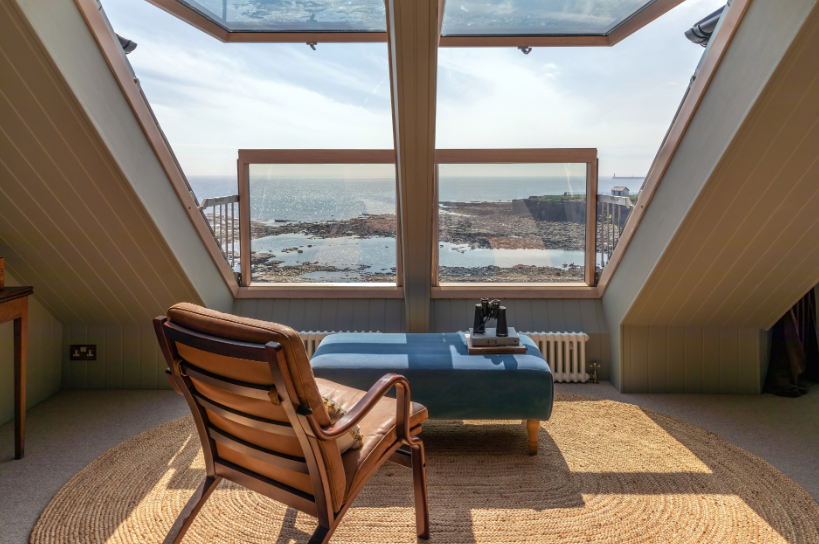
By allowing light to enter at roof level, Roof Lights for Pitched Roofs help brighten sloping ceilings and attic spaces, making them feel more open and usable. This is particularly important in converted lofts, where limited headroom and angled walls can otherwise make spaces feel enclosed.
Even in existing upper-floor rooms, roof glazing can dramatically improve light levels without requiring structural changes to external walls.
Supporting Energy Efficiency and Lower Energy Use
Energy efficiency is an increasing priority for UK homeowners, driven by rising energy costs and environmental concerns. Daylighting strategies play an important role in reducing overall energy consumption.
When interiors receive more natural light, the need for electric lighting during daylight hours is reduced. Over time, this can contribute to lower electricity use and reduced household running costs.
Modern roof glazing is also designed to balance light transmission with thermal performance. Insulated glazing units help retain heat during colder months while limiting excessive heat gain in warmer weather. This supports more stable indoor temperatures and reduces reliance on heating and cooling systems.
Adapting to the UK Climate
The UK climate presents specific challenges, including frequent rainfall, variable temperatures, and seasonal changes in daylight hours. Roof glazing used in pitched roofs is designed to perform reliably under these conditions.
High-quality materials and weather-resistant detailing help protect against water ingress and heat loss. At the same time, careful specification ensures adequate ventilation and light control, preventing issues such as overheating or glare during sunnier periods.
By addressing these climate-related factors, Roof Lights for Pitched Roofs offer a dependable solution for improving residential interiors throughout the year.
Preserving the Character of Traditional Homes
Many UK homeowners are keen to improve their properties without compromising architectural character. Pitched roofs are a defining feature of traditional housing, and roof glazing can be integrated discreetly to maintain this appearance.
Slim-profile designs and carefully positioned units allow daylight to be introduced without dominating the roofline. This makes roof glazing suitable for period homes, cottages, and conservation-style properties where visual impact must be carefully managed.
When designed thoughtfully, roof lights can enhance interiors while respecting the original character of the building.
Versatility Across Residential Applications
Roof glazing solutions for pitched roofs are highly adaptable and can be used in a wide range of residential settings. Common applications include:
- Loft conversions and attic bedrooms
- Stairwells and landings
- Kitchens and dining areas
- Home offices and studios
- Upper-floor bathrooms and hallways
This versatility allows homeowners and designers to address specific daylighting challenges throughout the home, improving comfort and usability in areas that may otherwise rely heavily on artificial lighting.
See also: Unlock Premium Hair Care Savings With Exclusive Laifen Black Friday Deals
Compliance with UK Building Regulations
Residential roof glazing must meet UK building regulations relating to safety, thermal performance, and structural integrity. These requirements ensure that roof lights contribute positively to building performance and occupant safety.
Glazing specifications typically address insulation values, impact resistance, and load-bearing capacity. When correctly specified and installed, roof glazing can support compliance with Part L of the Building Regulations, which focuses on energy conservation. This regulatory alignment provides reassurance for homeowners undertaking extensions, renovations, or loft conversions.
Advances in Roof Glazing Technology
Technological improvements have significantly enhanced the performance of modern roof lights. Developments in glazing coatings, frame construction, and sealing systems have resulted in products that offer improved insulation, durability, and clarity.
Double or triple glazing, low-emissivity coatings, and thermally broken frames are now widely used in residential applications. These features help ensure that roof glazing performs effectively in the UK’s varied weather conditions. Specialist suppliers such as Skylights Roof Lanterns work with homeowners and installers to ensure roof glazing solutions are well suited to pitched roof structures and residential requirements.
Long-Term Benefits for Homeowners
Beyond immediate improvements in brightness and comfort, roof glazing offers long-term advantages for residential properties. Homes that benefit from good natural light are often perceived as more attractive, functional, and modern.
Improved daylighting can enhance property appeal, support flexible use of space, and contribute to overall satisfaction for occupants. In some cases, these benefits may also have a positive impact on property value.
With proper installation and minimal maintenance requirements, roof glazing represents a durable and practical investment for UK homeowners.
Maintenance and Durability Considerations
Roof lights designed for pitched roofs are built to withstand long-term exposure to the elements. Robust materials and careful installation help minimise maintenance needs and reduce the risk of issues such as leaks or condensation.
Regular inspections and occasional cleaning are usually sufficient to maintain performance. This reliability is particularly important for residential properties, where access to roof areas may be limited.
Conclusion
Improving natural light is a key consideration in modern UK residential design, and roof glazing offers a practical and effective solution. By introducing daylight from above, homeowners can enhance comfort, usability, and energy efficiency without compromising architectural character.
When thoughtfully integrated, Roof Lights for Pitched Roofs help transform interior spaces, making homes brighter, more inviting, and better suited to contemporary living. As expectations around comfort and efficiency continue to grow, roof glazing remains an important feature in the evolution of UK residential buildings.